
Ladi Kwali
Who is Ladi Kwali?
A ceramicist and a figure imaged on the N20 Note, Ladi Kwali was a renowned Nigerian artist in the 1920s to 1970s.
Ladi Kwali (c. 1925-1984) was a Nigerian potter, widely regarded as one of the most important African ceramic artists of the twentieth century. She was born in the village of Kwali, near present-day Abuja, into the Gbagyi (Gwari) community, where pottery was traditionally women’s work. She learned the craft from her aunt, and as a young woman she became known locally for her water pots, cooking vessels, and storage jars.
Her career changed in the early 1950s, when the English potter Michael Cardew became pottery officer at Abuja and set up the Pottery Training Centre there. He noticed her skill and encouraged her to join in 1954.
The British potter usually credited with “discovering” Ladi Kwali, though the word is misleading because she was already a respected potter locally. Cardew first saw her pots in the home of the Emir of Abuja in 1950. He was astonished by the artistry and arranged to meet her. He had planned a male-only pottery enterprise but reconsidered after seeing her work. She already had an established pottery business in the nearby town of Minna, and she joined his center in 1954 as its first female potter. Scholars also note that she was no passive recipient of British training. Cardew taught her to throw on a wheel, but she mostly kept using the coiling method she learned from her aunt. In 1962 Cardew took her to England on her first international demonstration tour.
She was the first woman at the center, which was a significant step in a setting where the wheel-throwing trainees were mostly men. She worked alongside them, shared her hand-building methods, and was soon a leading figure at the center.
Her work then reached an international audience. She demonstrated her techniques and exhibited in Britain and Germany in the late 1950s, including time spent working at Cardew’s pottery in Cornwall. Her pieces drew admiration for combining Gbagyi tradition with the higher-fired, glazed stoneware that the Abuja center developed. She became a cultural ambassador for Nigerian craft abroad.
She received major honors at home. She was awarded the Order of the Niger in 1962 and an honorary doctorate from Ahmadu Bello University in 1977. Her portrait appeared on the Nigerian 20 naira note, and the Abuja pottery tradition continues to be linked to her legacy. She died in 1984, and she is remembered as a pioneer who raised the profile of African women artists.

Techniques she used
- Coil building: She shaped pots by hand from stacked rolled coils of clay, rather than using a potter’s wheel.
- Smoothing and thinning: She blended the coils together and refined the walls by hand with simple tools, giving her large vessels their even, graceful forms.
- Incised decoration: She cut patterns into the surface, including geometric bands and animal motifs such as lizards, crocodiles, snakes, and fish.
- Layered pattern design: She arranged designs in horizontal bands around the pot, with motifs inspired by Gbagyi tradition and the natural world.
- High-fire glazing and kiln firing: At Abuja, her pieces were fired in a kiln as stoneware with glazes, a step beyond traditional open firing, which made them more durable and gave them richer finishes.
Some of Her Celebrated Works
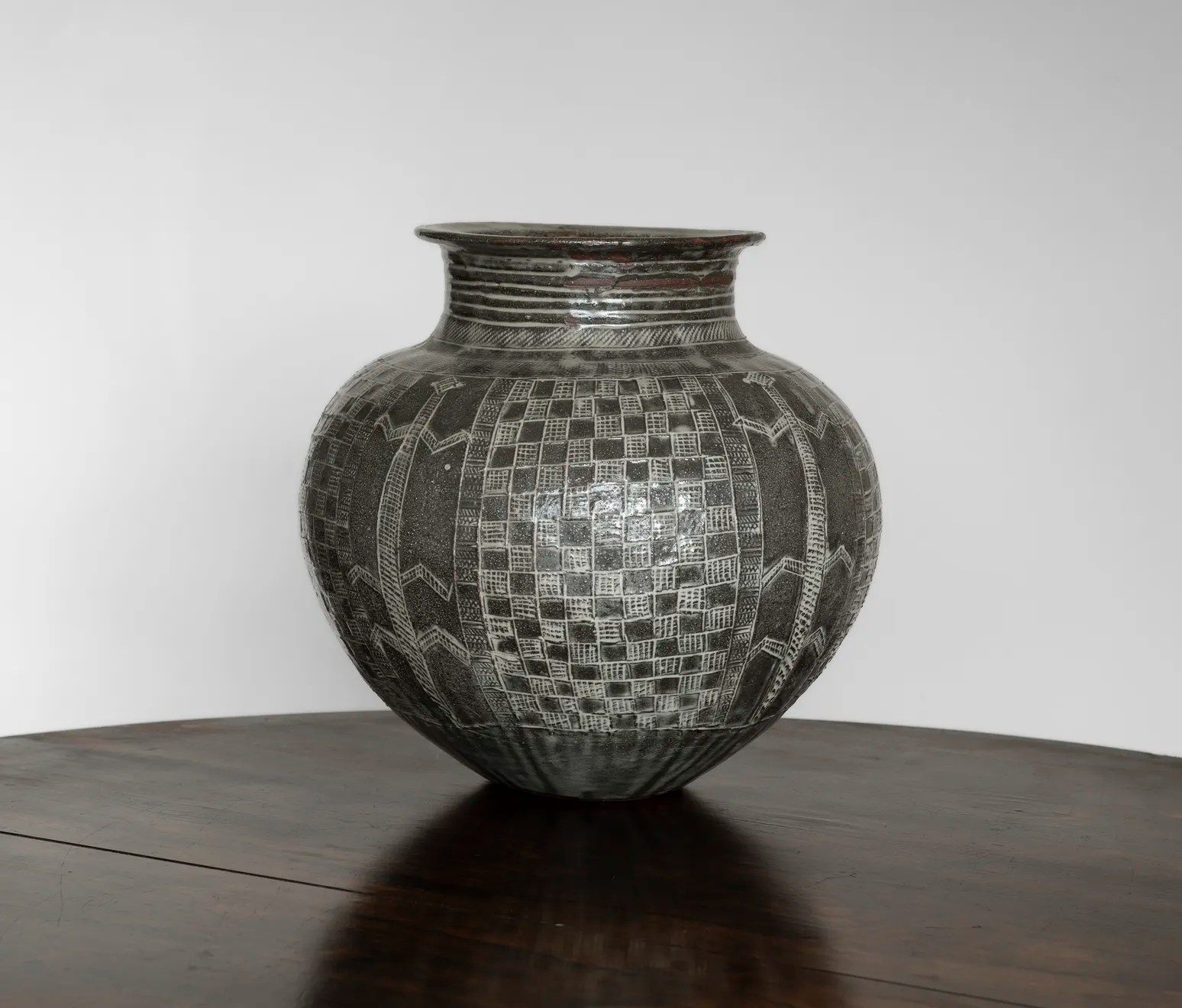
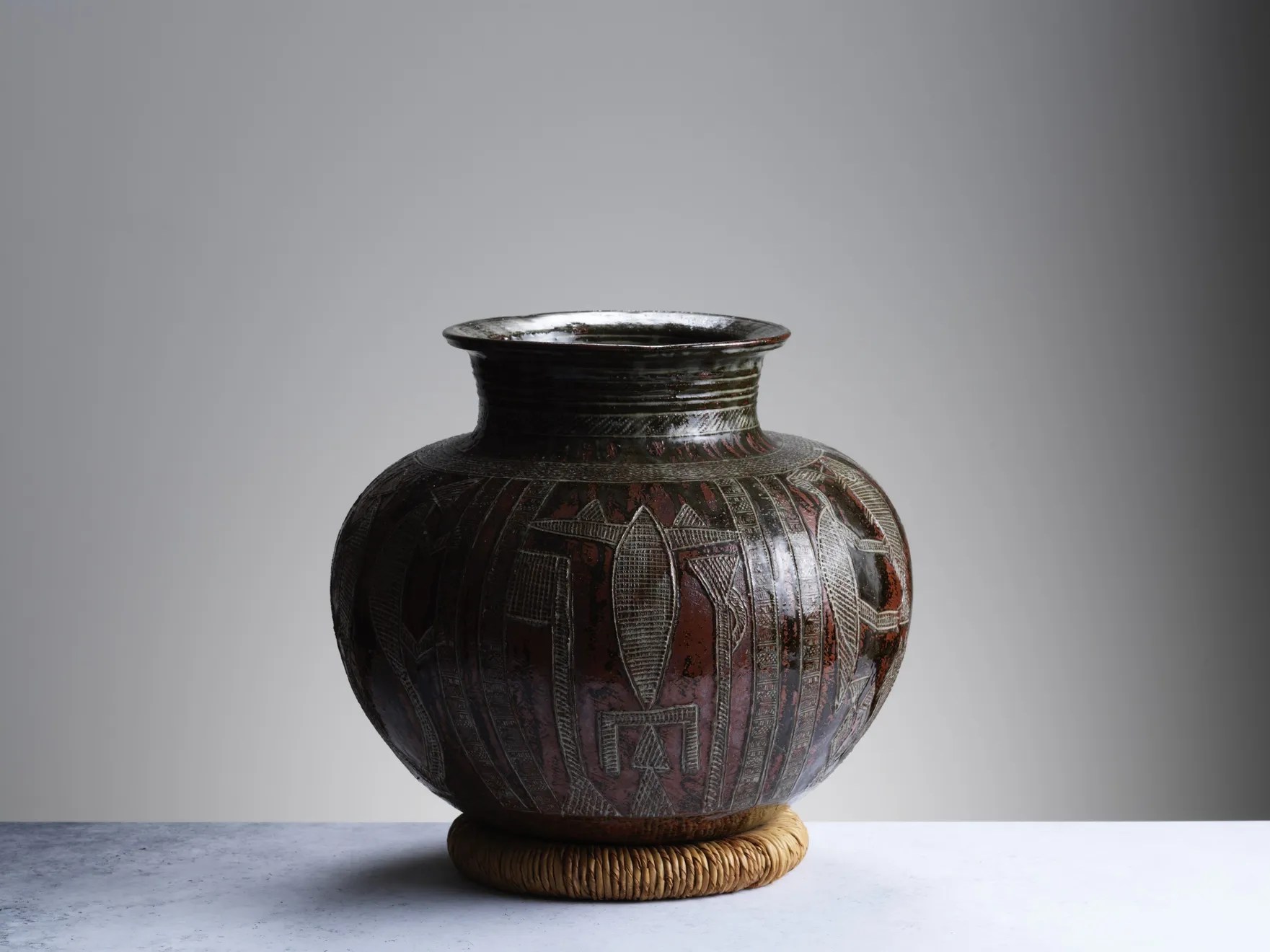
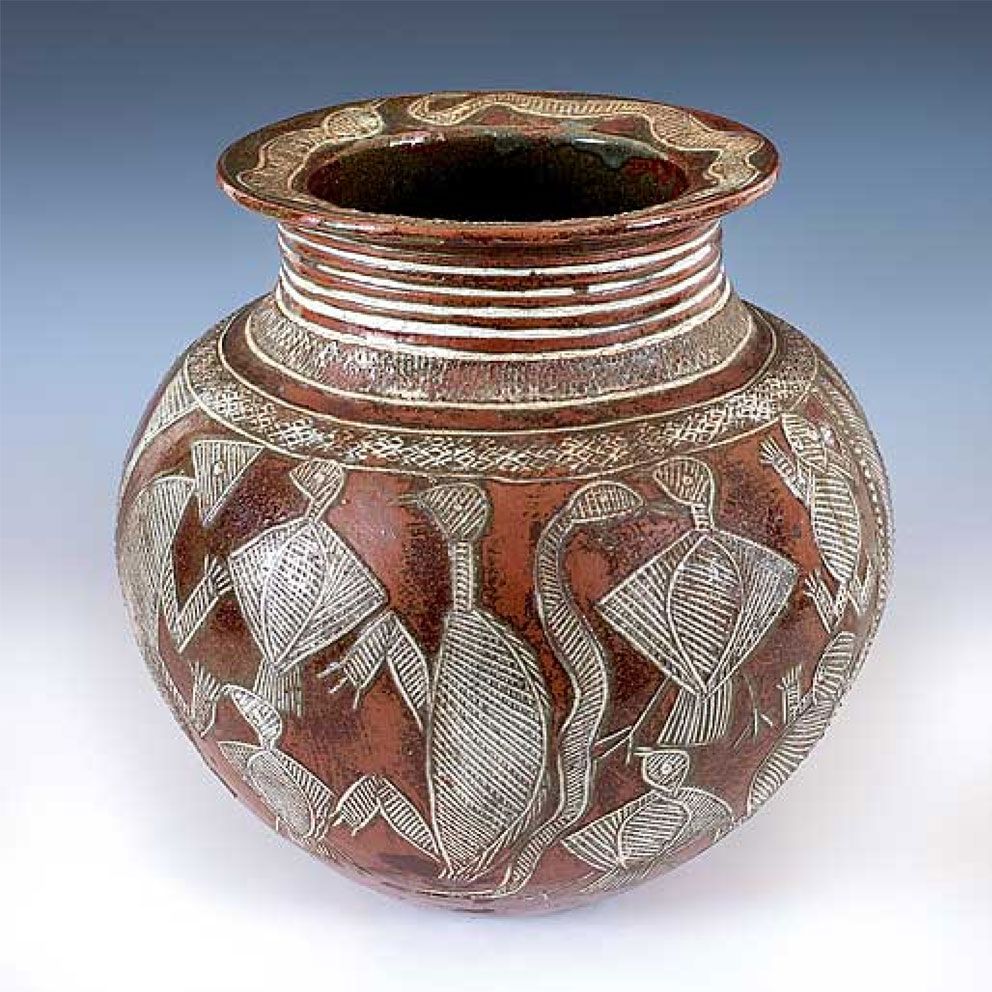
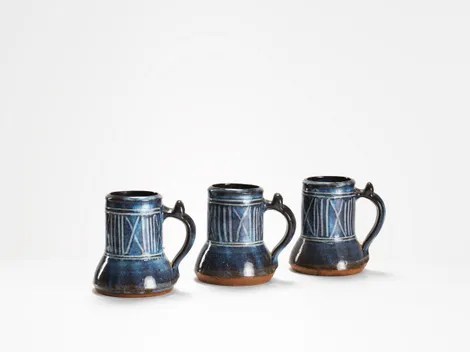
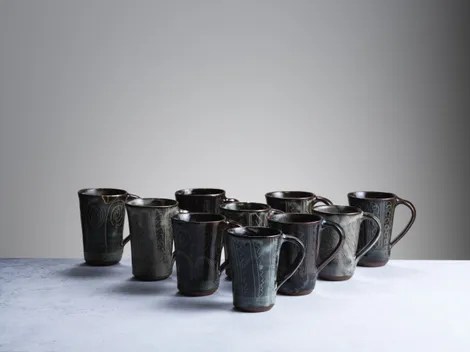
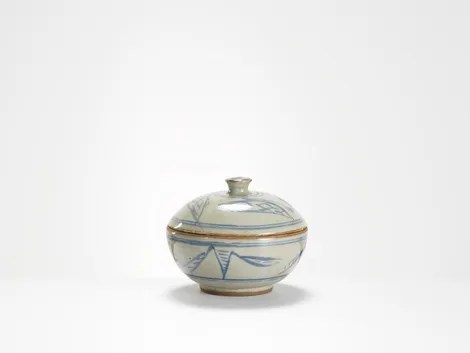
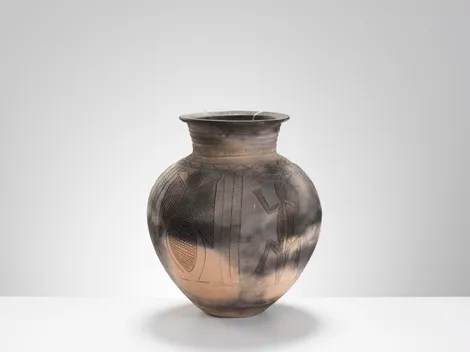
Find more exhibits on the OxfordCeramics site.
More Sources
Ladi Kwali: The Nigerian Potter Who Conquered Global Art | OMIREN STYLES
The Historical Significance of Ladi Kwali Pottery Abuja
How Did Ladi Kwali Create Designs On Her Pottery
Ladi Kwali: The Potter Who Took Nigerian Craft to the World | Historical Nigeria
Athena art foundation — Lady Kwali: A Synthesis of Indigenous and Modern
Pots, Mastery, and the Enduring Legacy of Ladi Dosei Kwali – post
More questions? Contact us!

